Wilton Center
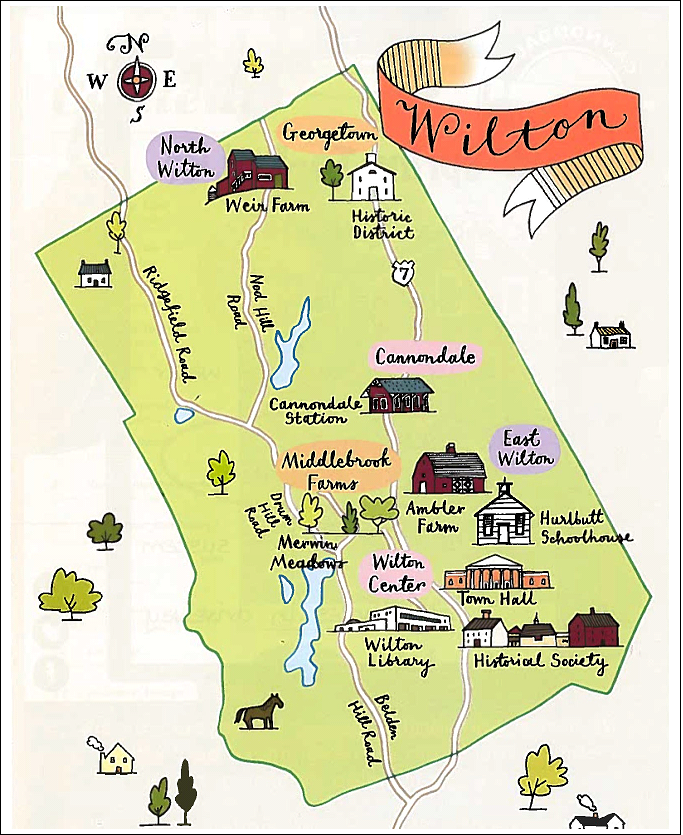
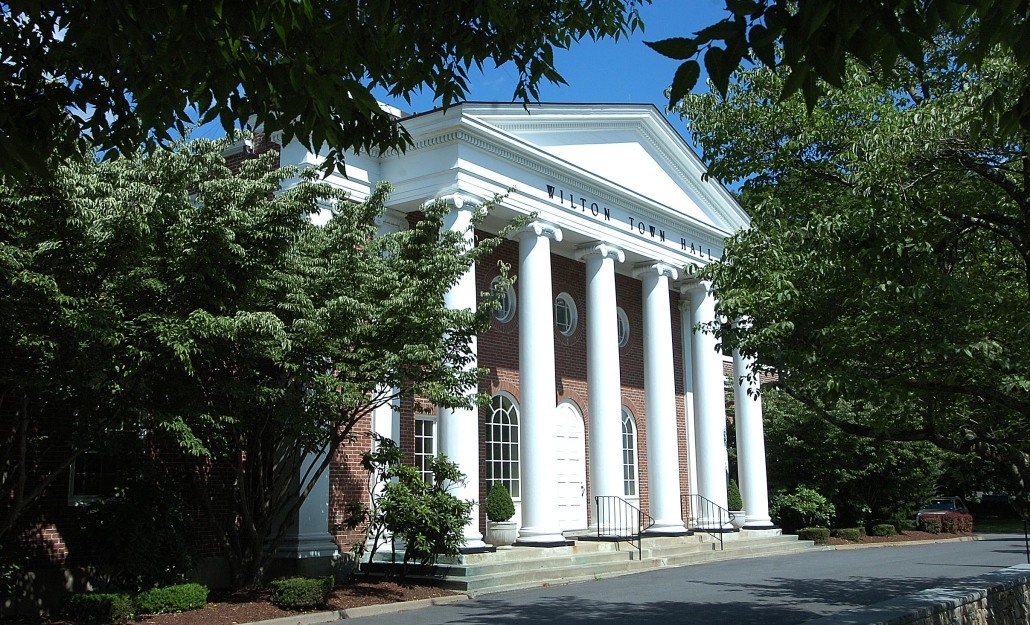
Teeming with shoppers, adorned with seasonal decorations, hosting a community‐wide celebration, Wilton Town Center is welcoming to residents and visitors alike. One can buy groceries or wine, checkout a killer selection of retail shops, and find a cozy spot to meet friends for coffee.
Schenck's Island offers multiple trails with cleared areas for fishing, picnicking or relaxing by the edge of the Norwalk River, and an escape to nature for dog walkers. The Wilton Library is a town treasure, with a full calendar of author talks, documentary screenings, lectures, musical events, and programs for the whole family.
Coming downtown for lunch or dinner? Wilton Center restaurateurs arc more than happy to set a place for you whether you're a party of two or 20. Surrounded by the rural beauty, which makes up so much of Wilton, Town Center is an inviting meeting spot.
Cannondale
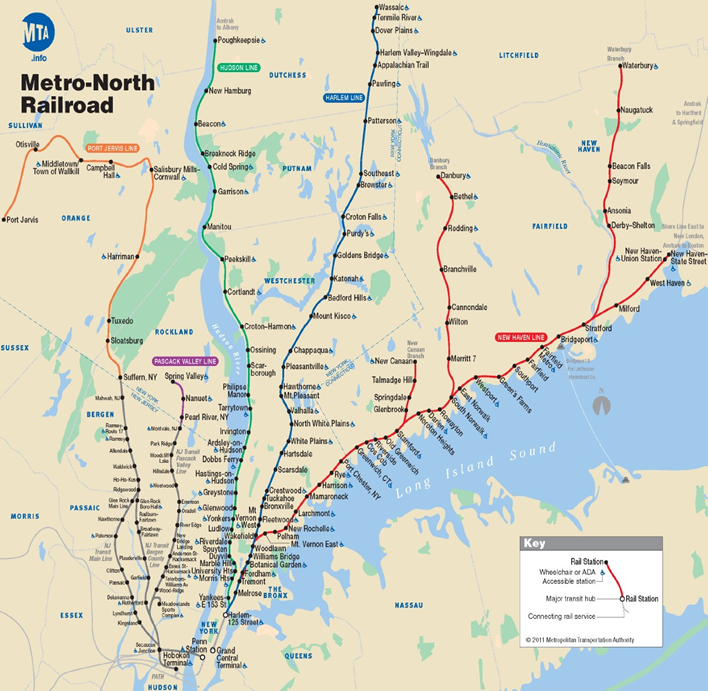
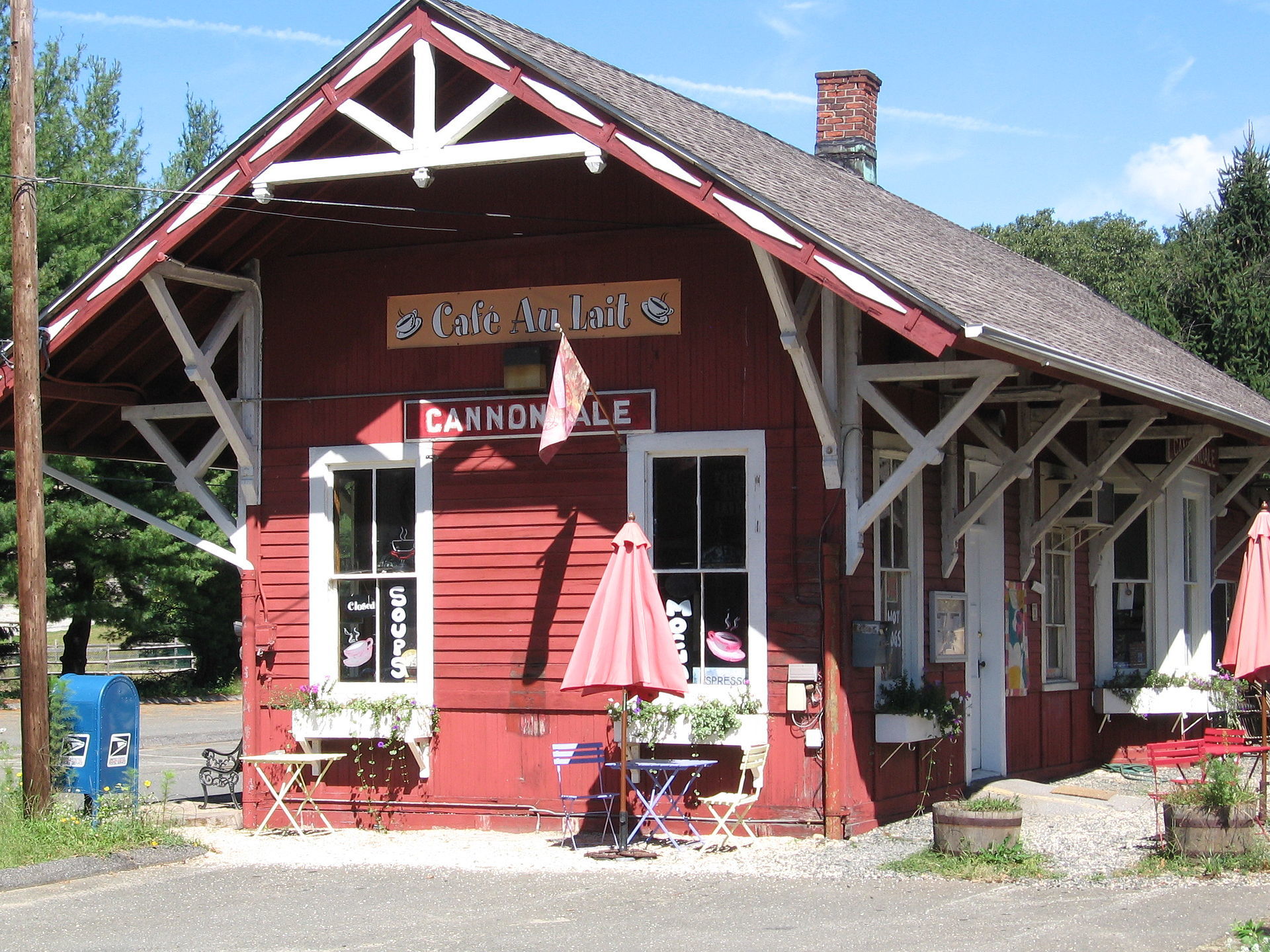
Originally called Pimpewaug by the local Native Americans, Cannondale was named after the Cannon family who became prominent in the area following the opening of their general store in the 1790s. The addition of the railway station came next, followed by a campaign by the Cannon family to open a neighborhood post office. Cannon Station was soon abuzz with activity. Today, the Metro‐North Danbury branch continues to make stops at the Cannondale Station, but the area is better known for its small shops and businesses adjacent to the station, including The Schoolhouse at Cannondale restaurant. Diners there enjoy their meals in what was the second schoolhouse built in the neighborhood in 1872.
Silvermine
The Silvermine section of Wilton has been known as an artist community since the early 1900s. A visionary sculptor named Solon Borglum moved to the area in 1906 and contributed to the artist movement there. Solon's depictions of frontier life, especially sculptures based on his experience with cowboys and native Americans established his reputation. His was a subtler artistic path than his brother Gutzon and nephew Lincoln, who sculpted Mount Rushmore. Today the arts are still very much alive in Silvermine, which boasts Wiremill Academy of Theater Arts for Young.
People and the Silvermine Arts Center whose revolving exhibits, lectures, performances, and classes offer something for everyone. Talk of renovations to the 200‐year‐old Silvermine Tavern has residents and visitors optimistic about the possibility of returning fine dining and a restored, cozy inn to the neighborhood.
Georgetown
Encompassing parts of Wilton, Redding, Ridgefield and Weston, Georgetown is a community unto itself. Its history revolves predominantly around the Gilbert & Bennett wire mill, which had its beginnings in the early 1800s. By mid‐century, G&B, as it was known, had four locations and was home to the country's first machine for making wire netting and fencing. The foundation of one of the buildings can still be seen from Old Mill Road. Today, Georgetown's manufacturing roots have been replaced by more than half a dozen restaurants, shops, the Georgetown Farmers Market (open from June to October), Caraluzzi's Market for groceries, and other businesses which make it easy for residents to meet their needs without traveling south to Wilton Center.